
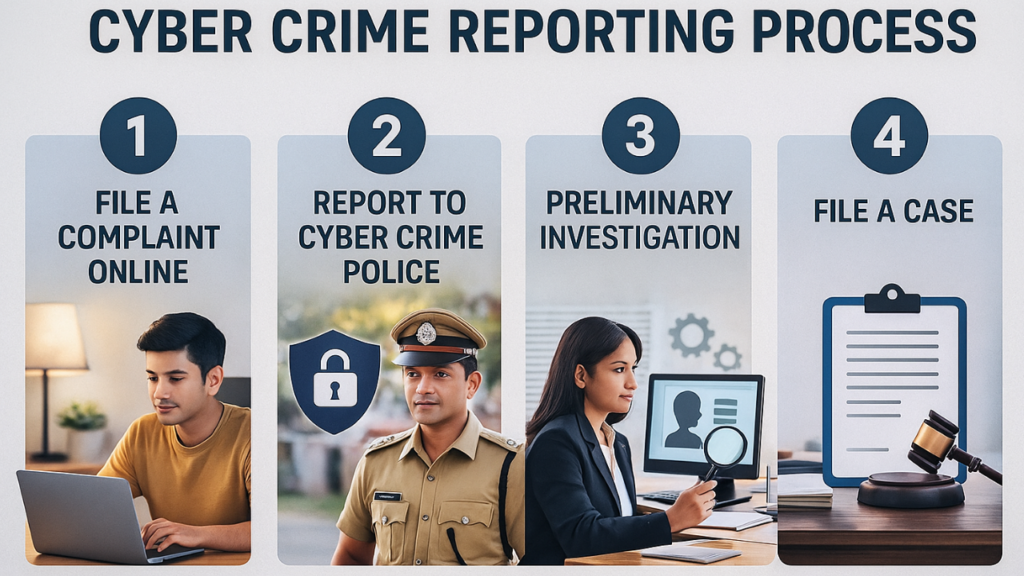
In the rapidly evolving digital landscape of India, cybercrime has become an alarming reality, affecting countless individuals. Understanding how to report such crimes is essential for victims seeking justice and for contributing to a safer online environment.
This article explores a real incident involving cyber fraud and provides a step-by-step guide on how to report cybercrime through the National Cyber Crime Reporting Portal.
A Real-Life Incident: The Case of K.N. Joshi
K.N. Joshi, a retired government employee from Mumbai, experienced a nightmare that many fear in today’s digital age. In early 2023, he received a message on WhatsApp from a number claiming to be a representative of a well-known financial institution.
The message promised high returns on a new cryptocurrency investment. Intrigued and eager to secure his financial future, Joshi engaged with the sender, who appeared convincing and knowledgeable. After several conversations, Joshi was persuaded to invest ₹7 lakhs.
The fraudster provided him with a link to a professional-looking website where he could monitor his investment. However, when Joshi attempted to withdraw his funds, he found that the website was no longer operational, and the contact number was unreachable.
“I felt completely betrayed and foolish. I had worked hard for that money, and now it was gone,” Joshi lamented. Determined not to let the fraudsters win, he decided to report the incident.
Reporting Cybercrime: Step-by-Step Guide
- Visit the National Cyber Crime Reporting Portal: Joshi opened his browser and navigated to cybercrime.gov.in.
- Select ‘File a Complaint’: On the homepage, he clicked on the ‘File a Complaint’ button, which directed him to the terms and conditions page. After reading and accepting the terms, he proceeded.
- Choose the Type of Cybercrime: Joshi selected the option for ‘Report Other Cyber Crime’ since his case involved online financial fraud.
- Citizen Login: He was prompted to log in as a citizen. Joshi entered his mobile number and received a One-Time Password (OTP) for verification.
- Filling Out the Complaint Form: The portal presented him with a structured form divided into sections: General Information, Victim Information, and Cybercrime Information. Joshi filled in all necessary details, including the date of the incident, the amount lost, and the fraudulent website link.
- Uploading Evidence: To strengthen his case, Joshi uploaded screenshots of his conversations with the fraudster, transaction details, and the website’s interface.
- Review and Submit: After ensuring all information was accurate, he clicked ‘Submit’. A confirmation message appeared, along with an email containing his complaint ID.
The Police Response
Following his complaint, Joshi was contacted by the local cybercrime cell. Inspector Rajesh Kumar, who leads the investigation team, stated, “We take such cases very seriously. The more detailed the information provided by the victim, the better we can track down the perpetrators.” He emphasized the importance of acting quickly, as cybercriminals often operate across state and national borders.
Tracking the Complaint
Joshi was relieved to find that he could track the status of his complaint online. He logged in using his complaint ID and saw that his case was under review. This feature of the NCRP ensures transparency and allows victims to stay informed about the progress of their cases.
Conclusion: Precautions to Take
While reporting cybercrime is crucial, there are several precautions individuals should take to avoid falling victim again:
- Verify Sources: Always check the legitimacy of financial opportunities. Look for reviews and ensure the website is secure (https://).
- Be Cautious with Personal Information: Never share sensitive information over social media or unknown platforms.
- Report Promptly: The sooner you report a cybercrime, the better the chances of recovering lost assets and preventing further fraud.
- Educate Yourself: Stay informed about common cyber threats and how to protect yourself online. The NCRP provides resources and safety tips that can be beneficial.
Joshi’s experience serves as a poignant reminder of the risks associated with online transactions. By utilizing the National Cyber Crime Reporting Portal, he took a significant step towards justice and contributed to the fight against cybercrime.
As Inspector Kumar aptly puts it, “Together, we can combat cybercrime and protect our digital future.” In this digital era, awareness and prompt action are key to safeguarding oneself against the growing threat of cybercrime.